The Five Pillars of Let’s Raise These Kids
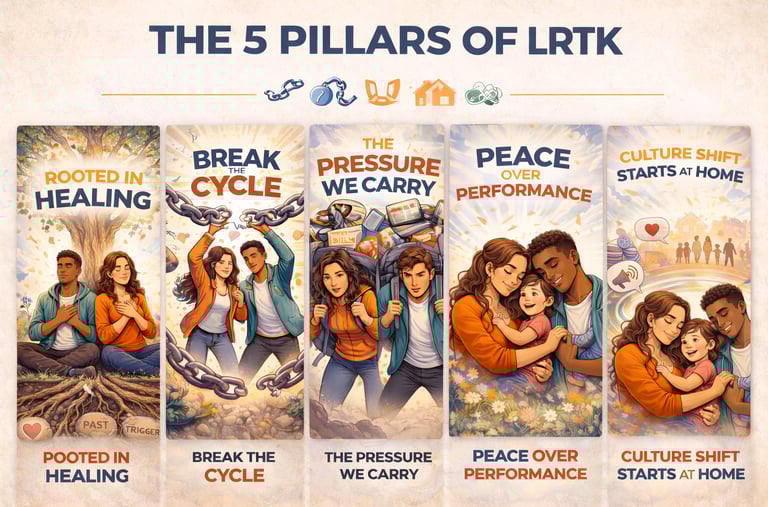
Parenting is more than a set of techniques. It is a journey of growth, reflection, and intentional change. At Let’s Raise These Kids, our work is guided by five core pillars that shape how we think about healing, parenting, and the legacy we leave behind.
Each pillar represents an area of transformation for the parent. Together, they form a framework that helps families move from reaction to reflection, from pressure to presence, and from inherited patterns to intentional choices.
These pillars are not steps to complete or boxes to check. They are spaces for exploration — places where awareness deepens, perspectives shift, and new ways of parenting begin to take root.
As you explore the blog, resources, and reflections throughout this site, you’ll see these pillars appear again and again. They anchor the conversations we have, the tools we share, and the work we invite parents to do within themselves.
Together, these pillars support the larger mission of Let’s Raise These Kids: healing the parent so that we can transform the way we raise our kids.


Rooted in Healing
Healing begins within.
Rooted in Healing invites parents to slow down and look inward with honesty and compassion. It centers the belief that emotional awareness is the foundation of intentional parenting. By recognizing our triggers, understanding our stories, and responding instead of reacting, we begin the quiet work of becoming more grounded within ourselves.
This pillar focuses on the inner work that supports healthier relationships with our children and with ourselves.


Patterns cannot change until they are recognized.
Break the Cycle explores the generational habits, reactions, and beliefs that often shape parenting without us realizing it. Many of the ways we respond to our children were modeled long before we became parents.
This pillar focuses on identifying those inherited patterns and choosing a different path. It encourages parents to pause, question what was normalized, and begin responding with intention rather than repetition.


Modern parenting carries invisible weight.
The Pressure We Carry speaks to the emotional, mental, and societal expectations placed on parents today. From the pressure to be patient at all times to the quiet guilt of feeling overwhelmed, many parents carry more than they acknowledge.
This pillar explores the hidden load parents carry and invites space for honesty, compassion, and realistic support.


Perfection is not the goal — presence is.
Peace Over Performance challenges the belief that good parenting means doing everything right. In a culture that often celebrates perfect images and constant productivity, parents can feel like they are always falling short.
This pillar reminds us that children need connection more than perfection. It encourages parents to release unrealistic standards and choose calm, intentional presence over constant pressure to perform.
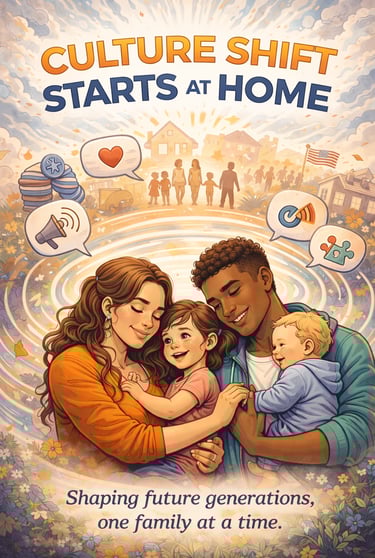
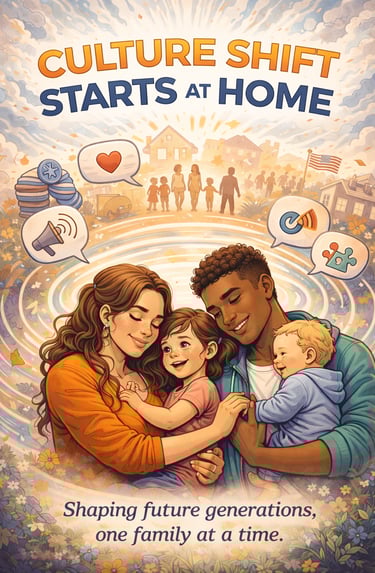
Change begins in the everyday moments.
Culture Shift Starts at Home recognizes that the way we raise our children shapes the culture they grow into. Small shifts in how we communicate, discipline, listen, and respond can ripple outward into healthier families and stronger communities.
This pillar focuses on the long-term impact of intentional parenting and the role families play in shaping future generations.
Contact Us:
heydannie@letsraisethesekids.com
© 2023 Let’s Raise These Kids. All Rights Reserved.
Let’s Raise These Kids
Heal the Parent. Raise the Child. Shift the Legacy.
Home | Blog | Resources